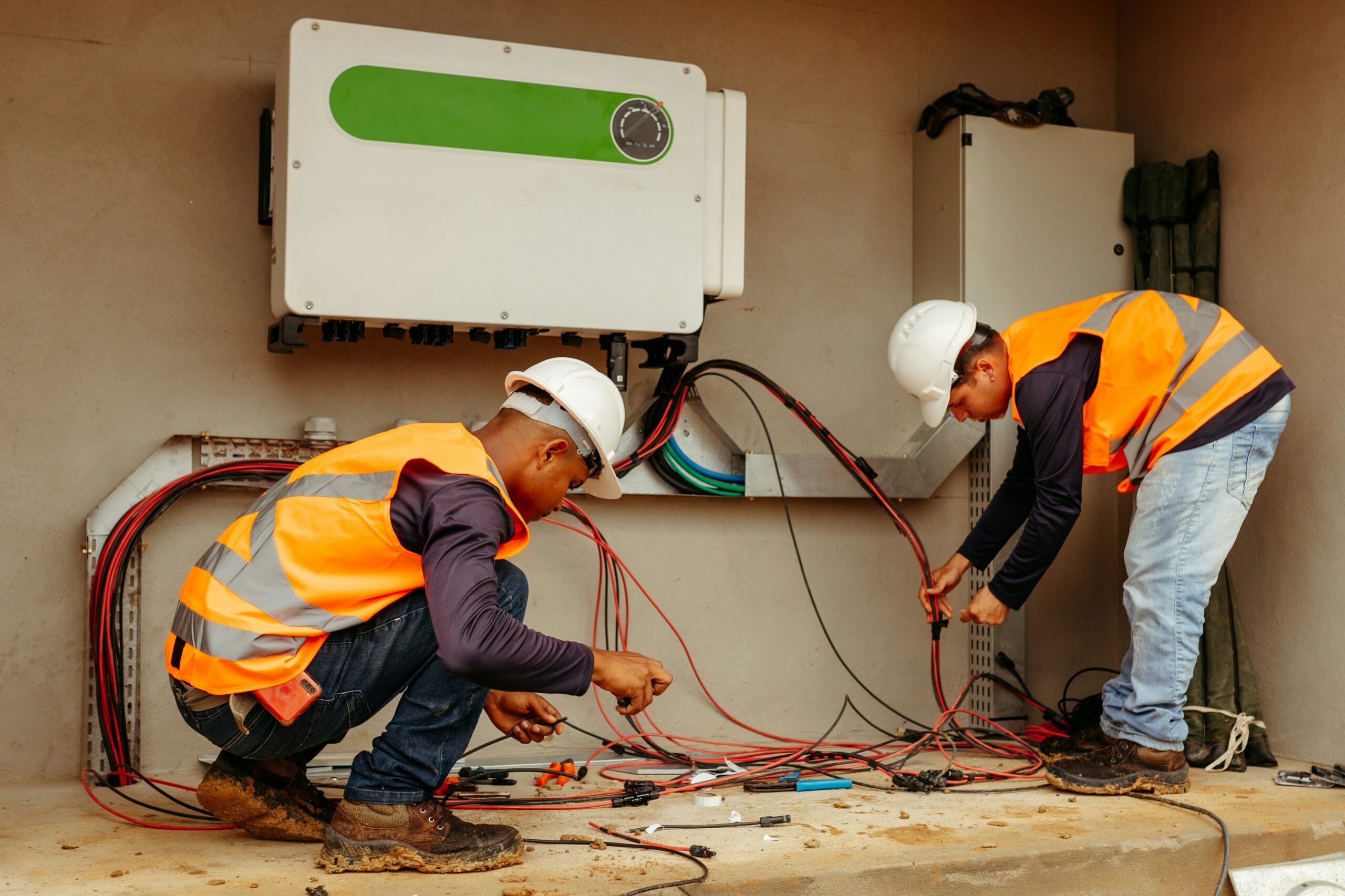
A career in the electrical trade can offer strong job security, steady demand, and excellent income opportunities. Many people enter this field because they enjoy hands-on work and want a career that provides long-term financial stability. One common question people ask is, “What is the highest pay for a master electrician?” The answer depends on several factors, including location, experience, specialization, and business ownership. A highest paying electrician job opportunity can provide a six-figure income for highly skilled professionals. Electricians who reach the top level of their profession often earn significantly more than entry-level workers. The title of master electrician represents years of training, practical experience, and successful completion of licensing requirements. A master electrician has advanced knowledge of electrical systems and is qualified to supervise projects, manage teams, and handle complex installations. Because of these responsibilities, earning potential increases considerably. Understanding the salary range and factors that influence earnings can help individuals plan a successful career path in this growing industry.
How a Master Electrician Reaches the Highest Pay Level
The path to becoming a master electrician requires dedication, education, and practical experience. Most professionals begin as apprentices, learning electrical work under the supervision of experienced electricians. After completing apprenticeship requirements, they usually become journeyman electricians. The next step involves gaining additional years of experience and passing a state or local licensing examination. This process can take several years, but it opens the door to higher-paying opportunities. Employers value licensed professionals because they can independently manage complex electrical projects. A master electrician often oversees commercial buildings, industrial facilities, and large residential projects. Their advanced skills make them essential to contractors and construction companies. The highest salaries are typically earned by those who continue developing specialized expertise. Learning new technologies, safety procedures, and energy-efficient systems can increase market value. The demand for experienced electricians continues to grow as infrastructure expands and modern electrical systems become more advanced.
Factors That Influence Master Electrician Salary
Several important factors affect how much a master electrician can earn. Geographic location plays a major role, as wages vary across states and cities. Areas with a higher cost of living often offer higher salaries. Large metropolitan regions usually have more construction projects and commercial developments, creating greater demand for skilled electricians. Experience is another important factor. Electricians with decades of experience often command higher pay than those who recently obtained their license. Industry specialization can also increase earnings. Professionals who work in industrial facilities, power plants, or specialized manufacturing environments may earn more than those focusing only on residential projects. Some electricians work overtime, weekends, or emergency service calls, which can significantly boost annual income. Business ownership is another major factor. A master electrician who owns an electrical contracting company can potentially earn far more than a salaried employee. Managing multiple projects and employing a skilled team can increase revenue and overall profitability.
Industries Where a Master Electrician Earns the Most
The highest-paying opportunities are often found in specialized industries that require advanced technical skills. Industrial facilities rely on complex electrical systems to support manufacturing operations. These environments require extensive knowledge of machinery, automation, and safety procedures. A master electrician working in this sector may earn substantially more than someone working in residential construction. Energy-related industries also provide strong earning potential. Electricians involved in renewable energy projects, power generation facilities, and utility infrastructure often receive competitive compensation. Commercial construction is another lucrative area, as large-scale projects require experienced professionals to manage extensive electrical installations. Some electricians specialize in data centers, which continue to expand due to growing digital demand. These facilities require reliable power systems and advanced electrical expertise. Mid-career professionals who develop expertise in these sectors often enjoy strong salary growth. Many employers seek highly qualified individuals because mistakes in these industries can lead to costly disruptions and safety concerns. This demand helps drive wages higher across the market.
Top Salary Ranges and Earning Opportunities
The salary of a master electrician varies widely across the United States. Many professionals earn annual salaries ranging from $70,000 to more than $120,000, depending on their location and experience. In some high-demand markets, a master electrician can earn even more. Professionals who work extensive overtime or manage large commercial projects may reach earnings above $150,000 per year. Some of the most successful individuals operate their own electrical businesses and generate significantly higher incomes. Business owners can secure contracts for commercial buildings, industrial facilities, and government projects. This creates opportunities for substantial revenue growth. The electrical contractor’s salary potential becomes even greater when a business develops a strong reputation and secures recurring clients. Some contractors expand their operations by hiring additional electricians and project managers. This allows them to take on larger projects and increase profits. While reaching these income levels requires dedication and strong business skills, the opportunities remain available for highly motivated professionals who consistently deliver quality work.
Career Growth and Future Income Potential
The future outlook for electricians remains positive because electrical systems continue evolving across many industries. New construction projects, renewable energy installations, and modernization efforts create ongoing demand for qualified professionals. A master electrician who stays current with industry developments can continue to increase their earning potential throughout their career. Technological advancements such as smart homes, electric vehicle charging stations, and energy-efficient systems require specialized knowledge. Professionals who gain expertise in these areas may enjoy stronger job opportunities and higher salaries. Leadership roles also offer additional growth. Experienced electricians often become project managers, consultants, trainers, or business owners. These positions may provide greater financial rewards than traditional field work. A master electrician who combines technical expertise with strong communication and management skills can build a highly successful career. Long-term success often depends on continuous learning and adaptation to changing industry needs. For those willing to invest in their professional development, earning potential remains impressive. The demand for qualified electrical professionals is expected to remain strong for years to come, making this career path an attractive option for individuals seeking stability, advancement, and growth in a master electrician salary in a competitive job market. The role of a master electrician remains one of the most respected and financially rewarding positions in the skilled trades industry.